


RC Planes for Beginners: Everything You Need to Know Before Your First Flight
by Motion RC June 4 2026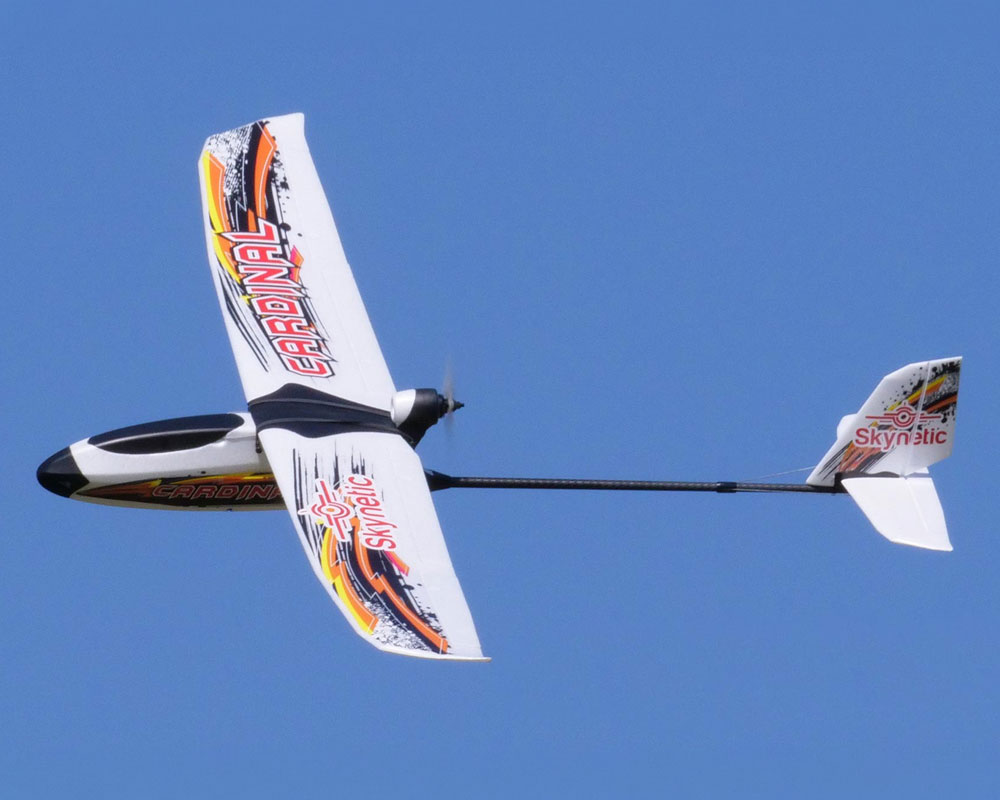
It is indeed an exhilarating experience flying your first RC plane through the soaring open sky, handling unpredictable wind conditions, and mastering aerial manoeuvres. As exciting as it sounds, your first flight also comes with several doubts, from choosing the right plane to understanding flight controls and safety basics.
This blog is a comprehensive beginner’s guide covering everything from choosing the right RC plane and equipment to understanding core flying techniques and avoiding common mistakes. Read along to learn the essential steps, safety practices, and flying fundamentals that can help make your first flight safer and more enjoyable.
What Makes a Good Beginner RC Plane?
Unlike experienced RC pilots who may prefer speed and aerobatic performance, beginners should focus on choosing reliable and stable aircraft. Beginner-friendly RC planes typically exhibit certain characteristics, and choosing the right aircraft early on can make the learning process smoother.
High-Wing Design for Better Stability
High-wing RC planes are often recommended for beginners because they are usually designed for stable, predictable flight. Many trainers combine a wing mounted above the fuselage with dihedral, light wing loading, and forgiving airfoils that help the aircraft to naturally settle back toward level flight after small control inputs or minor disturbances. This gives beginners more time to react and makes the aircraft easier to manage while learning.RTF vs PNP vs BNF vs ARF
Before shopping for your first RC plane, you’ll come across certain package types or configuration options, such as RTF, PNP, BNF, and ARF. Here is a closer look at each of them:
Ready to Fly (RTF)
Ready-to-Fly planes are fully assembled models that come with everything needed to get started, including the aircraft, transmitter, battery, and charger. With their quick setup, the convenience of full factory assembly, and minimal technical setup requirements, RTF planes are the best choice for beginners. Moreover, they are also a budget-friendly option since they arrive as a complete bundled package.
Plug N Play (PNP)
Plug-N-Play (PNP) aircraft models come pre-installed with servos, a motor, and an ESC, but do not include a transmitter, receiver, battery, or charger. They are ideal for RC pilots who seek more flexibility in choosing their radio system and batteries. As a cost-effective option with relatively simple installation requirements, they are also suitable for beginners who want to customise their setup based on personal preferences.
Bind N Fly (BNF)
Bind-N-Fly (BNF) RC planes come with all the necessary onboard electronics, including servos, a motor, an ESC, and a receiver, but do not include a transmitter. Requiring minimal assembly, they are ideal for pilots who already own a compatible transmitter and want a quicker setup process. Additionally, the absence of a transmitter allows users to continue using their preferred radio system without needing to adapt to a new one.
Almost-Ready-to-Fly (ARF)
Almost-Ready-to-Fly aircraft are more builder-oriented and require additional assembly, setup, and component installation. Depending on the model, an ARF may require the pilot to install the motor or engine, servos, receiver, fuel system or battery setup, control linkages, and other hardware. ARFs are popular with experienced pilots who want more control over the final setup, but they are generally not the best first choice for a complete beginner.
Why Foam Construction Is Better for Beginners than Balsa
Foam and balsa refer to the materials used to build the airframe of the plane. Foam planes are made from lightweight synthetic foam and are impact-resistant, flexible, and easier to repair. Balsa planes are built from balsa wood and are rigid, precise, and more aerodynamic.
Foam aircraft are considered best for beginners due to their durable and easy-to-repair nature. They help absorb impact and reduce the likelihood of major structural damage. Moreover, they are also lighter, which improves slow-speed handling and stability.
Ideal Wingspan Size for Beginners
For beginners, the ideal wingspan is between 800 mm and 1350 mm. Smaller aircraft below 800mm can become difficult to control outdoors because they are more heavily affected by wind. Larger aircraft above 1350mm may require more space and experience to handle comfortably.
Models within the 800mm–1350mm range strike a good balance between stability, visibility, and manoeuvrability.
Flight Stabilisation Systems: What They Do and Why They Help
Modern beginner RC planes often include flight stabilisation systems that help maintain more stable and controlled flight. These systems use onboard gyros and sensors to detect unwanted movement and automatically apply small corrections. This can help beginners recover from over-corrections, turbulence, or sudden changes in orientation.
Some systems even include panic recovery modes that level the aircraft automatically when activated. While stabilisation systems are extremely useful learning tools, beginners should still practice proper flying techniques rather than relying entirely on electronic assistance.
Understanding Dihedral Wing Design
Many trainer aircraft feature wings angled slightly upward from the centre. This is known as a dihedral wing design. Dihedral wings improve roll stability by helping the aircraft naturally return to level flight after turning.
This makes the plane feel more forgiving and predictable in the air. For beginners, this additional stability significantly reduces the chances of losing control during basic manoeuvres.
Types of RC Planes for Beginners
Different types of RC planes offer different flying experiences, handling characteristics, and stability levels. Choosing the right category can make learning easier, more enjoyable, and less frustrating for beginners. While some planes are built for smooth and stable flight, others are designed for speed and advanced manoeuvres that require greater control and experience.
Trainer Planes
Trainer planes are the go-to recommendation for any first-timers. With high wings, dihedral, and built-in gyros, they are designed with stability as the priority. These aircraft allow beginners to focus on learning core skills such as takeoff, turning, throttle control, and landing without feeling overwhelmed.
Gliders
RC gliders are another excellent option for beginners. Because they are designed to stay airborne efficiently, gliders typically fly more slowly and smoothly than powered sport aircraft.
Their forgiving flight behaviour gives beginners extra time to react during turns and landings. Moreover, gliders are also highly effective for learning how aircraft respond to wind and air currents.
Electric Park Flyers
Electric park flyers are compact, lightweight aircraft designed for flying in open parks or smaller fields. They are generally quieter, easier to transport, and simpler to maintain than larger gas-powered aircraft.
Many beginner-friendly electric models can be assembled quickly and flown with minimal setup. However, beginners should still ensure they have enough open space to fly safely.
Types of RC Planes to Avoid as Beginners
As a beginner, not all RC aircraft types are suitable for learning. Here are some RC aircraft categories that are not ideal for beginners:
-
RC Jets: Jets are extremely fast and require advanced throttle management and fast reaction times.
-
Warbirds: Warbirds often have lower wings, higher speeds, and less forgiving flight behaviour.
-
3D Aerobatic Planes: These aircraft are built for advanced manoeuvres such as hovering and torque rolls. They are highly responsive and difficult for inexperienced pilots to handle.
Essential Equipment You Need
From control systems to power and flight support, certain equipment is essential for safely and properly flying your RC plane. Here are some crucial supporting equipment and accessories you need before your first flight:
Transmitter and Receiver
The transmitter is the handheld radio controller used to operate the aircraft, while the receiver inside the plane receives those control signals. For beginners, a transmitter with at least four channels is recommended. This allows control of the throttle, rudder, elevator, and ailerons. Reliable signal strength, comfortable ergonomics, and easy programming are important features to consider.
LiPo Batteries and Chargers
Most beginner RC planes use LiPo (Lithium Polymer) batteries because they are lightweight, powerful, and capable of delivering strong flight performance. However, they also require proper handling and charging practices to ensure safety and long battery life.
Here are some important LiPo safety tips to follow:
-
Never leave batteries charging unattended
-
Always use a balance charger
-
Avoid overcharging or over-discharging batteries
-
Store batteries in a fire-resistant LiPo bag
-
Stop using batteries that become swollen or damaged
RC Flight Simulator
Flight simulators are recommended for practising flying without the risk of causing damage to your plane. They allow beginners to practice takeoffs, landings, turns, and emergency recovery without risking damage to an actual aircraft. Additionally, they help build muscle memory and orientation skills. For beginners, simulators are indispensable, and many experienced RC pilots also use them to practice new manoeuvres.
Spare Parts and Basic Tools
Minor bumps and rough landings are common while learning to fly, so keeping a few spare parts on hand is always a good idea. Propellers are usually the first components to get damaged, making spare props an essential purchase for any beginner RC pilot.
It is also helpful to carry a basic RC toolkit that includes:
-
Small screwdrivers
-
Hex drivers
-
Foam-safe CA glue for quick repairs
Having these essentials ready can help you handle minor fixes quickly and avoid unnecessary interruptions during flying sessions.
UK Rules and Regulations for RC Flying
Understanding the rules and regulations surrounding RC flying is just as important as learning how to control the aircraft itself. In the UK, RC planes are regulated to ensure the safety of pilots, spectators, and surrounding airspace users. Before taking your first flight, it is essential to familiarise yourself with the relevant guidelines and legal requirements.
CAA (Civil Aviation Authority) Rules in the UK
The Civil Aviation Authority oversees all drone and model aircraft operations in the UK, including recreational RC plane flying and club-based activities. Whether you are flying a small foam trainer or a larger model aircraft, you must follow the UK Drone and Model Aircraft Code, which outlines the key safety and operational rules for responsible flying.
Some of the most important rules include:
-
Always keep your RC aircraft within visual line of sight and maintain clear visibility at all times.
-
Fly responsibly and maintain safe control of the aircraft throughout the flight.
-
Avoid flying near airports, airfields, and restricted or controlled airspace.
-
Stay clear of crowds, roads, railways, and buildings, and never fly over uninvolved people.
-
Follow the maximum permitted flying altitude, typically up to 400 ft, unless specific authorisation applies.
-
Never operate an RC aircraft in a way that could endanger people, vehicles, property, or other aircraft.
Even small RC planes can cause serious injury or property damage if flown irresponsibly. Following CAA guidelines helps protect people, property, and other aircraft while promoting safer and more responsible RC flying for everyone.
What Is the BMFA and Why Should You Join?
The British Model Flying Association (BMFA) is the UK’s national governing body for model aircraft and drone flying. Recognised by the Royal Aero Club, the organisation works closely with the Civil Aviation Authority (CAA) to promote safe and responsible RC flying across the country.
For beginners, joining the BMFA can make learning to fly much easier and safer. Membership includes several valuable benefits, such as:
-
Public liability insurance for recreational RC flying activities
-
Access to affiliated flying clubs and designated flying sites
-
Guidance on UK aviation regulations and safe flying practices
-
Training programmes and achievement schemes for new pilots
-
Support and advice from experienced RC flyers and club members
-
Access to events, competitions, and organised flying activities
For pilots outside the UK, similar resources may be available through local model flying organisations or national aviation authorities. A local RC club is often the best place to confirm rules, find safe flying sites, and get practical help from experienced pilots.
Where You Can and Cannot Fly RC Planes
Choosing the right flying location is especially important for beginners. A safe, open area gives you more room to practise takeoffs, turns, and landings while reducing the risk of accidents. Here are some suitable locations beginners should consider:
Suitable Flying Areas
Beginner RC pilots should ideally fly in:
-
Large, open fields with plenty of clear space for takeoff and landing
-
Designated RC flying sites or model aircraft club fields
-
BMFA-affiliated flying clubs with structured training environments
-
Open rural areas away from crowds, roads, and buildings
Wide-open spaces provide more time to recover from mistakes and make flying less stressful for new pilots. It is also important to check that the location is not inside an airport or airfield Flight Restriction Zone (FRZ) before flying.
Areas to Avoid
RC planes should never be flown:
-
Near airports, airfields, or within Flight Restriction Zones without proper authorisation
-
Overcrowded or public gatherings
-
Close to roads, railways, or densely populated residential areas
-
Inside restricted or controlled airspace without permission
-
In locations where flying may disturb people, wildlife, or property
Benefits of Joining an RC Flying Club
While many beginners start flying on their own, joining an RC flying club can make the learning process much easier, safer, and more enjoyable. Clubs provide access to experienced pilots, structured guidance, and safer flying environments that help beginners build confidence more quickly.
RC flying clubs typically offer:
-
Safe and approved flying locations designed for model aircraft operations
-
Guidance from experienced pilots on aircraft selection, setup, and flying techniques
-
Hands-on learning opportunities, including buddy-box training sessions
-
Technical support for aircraft setup, trimming, and troubleshooting
-
Help with repairs, maintenance, and replacement parts
-
Structured beginner training programmes and achievement schemes
Many clubs also organise regular flying sessions, competitions, and community events, giving beginners the opportunity to learn alongside other RC pilots and continue improving their skills in a supportive environment.
Drone and RC Plane Registration Requirements
Registration requirements vary by country, aircraft weight, aircraft type, and local aviation regulations. Before flying, always check the current rules from your national aviation authority or local model flying association.
In the UK, you must take a theory test and register with the CAA before flying most drones or model aircraft outdoors. The requirements depend mainly on the aircraft's weight and whether it has a camera.
There are two key requirements:
Operator ID
The Operator is the person legally responsible for the drone or model aircraft. They must register with the CAA and obtain an Operator ID. This ID must be clearly displayed on all aircraft they are responsible for, where required.
Flyer ID
The Flyer ID is required for pilots who fly eligible drones or model aircraft outdoors. It is obtained by passing a free online theory test covering safety rules, airspace awareness, and the UK Drone and Model Aircraft Code.
Under current UK regulations:
-
Aircraft under 100g: A Flyer ID is not required, though the CAA strongly recommends taking the test anyway. An Operator ID is optional.
-
Aircraft 100g to under 250g (without a camera): A Flyer ID is required. An Operator ID is optional.
-
Aircraft 100g to under 250g (with a camera): Both a Flyer ID and an Operator ID are required.
-
Aircraft 250g to under 25kg: Both a Flyer ID and an Operator ID are required.
Even where registration is not required, all drones and model aircraft must always be flown safely and in accordance with the UK Drone and Model Aircraft Code. As regulations may change over time, pilots should always check the latest official guidance or consult organisations such as the British Model Flying Association (BMFA) before flying. Pilots outside the UK should consult their own national aviation authority, model flying association, or local RC club to confirm the rules that apply in their country.
A Step-by-Step Guide to Your First Flight
Taking your RC plane out for its maiden flight is an exciting milestone, but there are tons of preparations and precautions you need to take to make it fully safe and controlled. From pre-flight to landing, here are some essential steps you need to follow:
Pre-Flight Checklist
Before takeoff, give the aircraft a quick but thorough inspection. A proper pre-flight check helps prevent avoidable problems once the plane is in the air. Here are some pre-flight checklist essentials to verify before flying:
-
Flight and transmitter batteries are fully charged
-
Wings, landing gear, and propeller are secure
-
Control surfaces move freely and respond correctly
-
Servos and linkages are properly connected
-
The battery is firmly mounted
-
The aircraft’s centre of gravity matches the recommended setup
Perform Range Check
A range check confirms that the transmitter and receiver maintain a reliable signal connection before takeoff. Most modern radio systems include a range-check mode. Walk a short distance from the aircraft and confirm that all controls continue responding properly. If you notice lag, twitching, or inconsistent response, do not fly until the issue is fixed.
Always Take Off Into the Wind
Whether hand-launching or taking off from the ground, always point the aircraft into the wind. This improves lift, stability, and overall handling during takeoff. Apply throttle smoothly and allow the aircraft to build speed gradually. Pulling up too aggressively can cause the plane to stall shortly after launch.
Practice Basic Manoeuvres First
During your first few flights, focus only on basic flight handling and orientation rather than attempting advanced manoeuvres. It is important to start with straight and level flight, gentle turns, smooth throttle management, and maintaining a consistent altitude. Avoid sudden stick movements or aggressive corrections, as over-controlling is one of the most common beginner mistakes and can quickly destabilise the aircraft.
What to Do If You Lose Orientation
Losing orientation is common for beginners, especially when the aircraft is flying toward you. If the plane starts behaving unexpectedly:
-
Reduce throttle slightly
-
Level the wings
-
Gain altitude if possible
Avoid over-correcting, as rapid stick movements usually make recovery harder. If a crash becomes unavoidable, cut the throttle to reduce impact damage.
Landing with a Controlled Approach
Landing is usually the hardest part for beginners, and rough landings are completely normal during the learning stage. As you line up for landing, keep the plane pointed into the wind and begin descending gradually. Reduce throttle slowly while maintaining steady control of the aircraft all the way to the ground.
Also, avoid the following common landing mistakes:
-
Descending too steeply
-
Making sharp turns close to the ground
-
Cutting the throttle too early
-
Coming in too fast
Perform Post-Flight Checks
Once the flight is over, take a few minutes to look over the aircraft before putting it away. A quick inspection after each flight can help you catch small problems before they become bigger issues later.
Things to check include:
-
Disconnect the battery after landing
-
Look for loose screws or damaged parts
-
Inspect the propeller for cracks or chips
-
Let the motor and battery cool down before storage
-
Check the airframe for stress marks or minor damage
Getting into the habit of doing post-flight checks early on will help keep your RC plane safer, more reliable, and in better condition over time.
Common Beginner RC Flying Mistakes to Avoid
Every RC pilot makes mistakes while learning, but understanding the most common beginner errors can help reduce crashes, improve safety, and make the learning process far less frustrating.
Over-Correcting the Controls
Many beginners move the sticks too aggressively while trying to correct small movements. Smooth and gentle inputs give the aircraft time to respond naturally and help maintain stable flight.
Flying in Windy Conditions
Strong winds can make even beginner-friendly RC planes difficult to control. New pilots should ideally fly in calm weather conditions and avoid gusty environments during early practice sessions.
Skipping the Flight Simulator
RC flight simulators help build coordination, orientation, and muscle memory without risking damage to a real aircraft. Even a few simulator sessions can significantly improve beginner confidence and control.
Flying Without Checking Battery Levels
Flying with a low or improperly charged LiPo battery can lead to sudden power loss and crashes. Always check battery condition before takeoff and land before the voltage becomes critically low.
Attempting Advanced Manoeuvres Too Soon
Trying loops, rolls, or aerobatics before mastering basic flight control often results in unnecessary crashes. Beginners should first become comfortable with smooth turns, stable flight, and controlled landings.
Explore Top Beginner RC Planes at Motion RC Europe
The best beginner RC planes are typically those that prioritise stability, slower flight speeds, durable construction, and simplified handling over aggressive performance. Motion RC Europe offers several trainer-friendly aircraft that are well-suited for building core flying skills while reducing the chances of damage during early practice sessions.
-
Skynetic Altura 1320mm: A versatile high-wing RTF trainer with multi-mode gyro stabilisation, stable handling, and enough sport performance to keep beginners progressing after their first successful flights.
-
Skynetic Cardinal 1400mm: A stable high-wing trainer equipped with 6-axis gyro stabilisation and panic recovery, making it ideal for beginners learning smooth takeoffs, turns, and landings.
-
Skynetic Huntsman V2 Glider 1100mm: This forgiving glider-style aircraft offers slower and more predictable flight behaviour, helping beginners practise controlled manoeuvres with greater confidence.
Frequently Asked Questions
-
Do I need a licence to fly an RC plane in the UK?
The UK does not use a traditional “licence” for most recreational RC flying, but you may need a Flyer ID, an Operator ID, or both, depending on the aircraft’s weight and whether it has a camera. Under current CAA guidance, aircraft from 100g to under 250g generally require a Flyer ID, and an Operator ID is also required if the aircraft has a camera. Aircraft from 250g to under 25kg generally require both a Flyer ID and an Operator ID. Aircraft under 100g do not require either ID, although the CAA recommends taking the Flyer ID test to understand the rules.
Outside the UK, requirements vary by country. Pilots should check their national aviation authority, local model flying association, or RC club before flying to confirm any registration, insurance, altitude, location, or club-specific requirements. Always check the latest official guidance before flying.
-
What is the best RC plane for an absolute beginner?
A high-wing trainer aircraft in RTF (Ready to Fly) configuration is usually the best option for beginners. Models with flight stabilisation systems are especially helpful because they make flying more stable and forgiving.
-
Is it difficult to learn to fly an RC plane?
Learning to fly takes practice, but modern trainer aircraft, flight simulators, and gyro stabilisation systems make the process much easier than it used to be. The best way to learn is with help from an experienced pilot or local RC flying club. With the right trainer, calm weather, simulator practice, and some guidance, most beginners can build basic flying skills safely and confidently over time.
-
Can I fly my RC plane anywhere in the UK?
No. RC planes should not be flown near airports, crowded public spaces, roads, railways, or restricted airspace. Open fields, designated flying sites, and RC flying clubs are generally the safest locations.
-
What is the difference between RTF, PNP, and BNF?
RTF (Ready to Fly) models include all of the equipment needed to start flying. PNP (Plug and Play) aircraft require your own transmitter, receiver, battery, and charger, while BNF (Bind and Fly) models require a compatible transmitter and flight battery.
-
How long does a beginner RC plane battery last?
Most beginner RC planes using LiPo batteries typically offer around 6–10 minutes of flight time, depending on the aircraft, battery size, throttle use, wind conditions, and flying style. Some efficient trainers may fly longer when flown gently, while smaller aircraft or more powerful models may have shorter flight times. It is always best to follow the manufacturer’s recommended timer settings and land with reserve power remaining rather than flying until the battery is fully depleted.
-
Should I buy a flight simulator before my first plane?
Yes, a flight simulator is highly recommended for beginners. It helps develop muscle memory, orientation, and control skills while allowing you to practise safely without damaging a real aircraft. Even one avoided crash can easily pay for the simulator, especially when you consider the cost of replacement parts, repairs, or replacing an entire aircraft. A simulator is not a complete substitute for real flight instruction, but it is one of the best ways to build confidence and experience before your first flight.
Start Your RC Flying Journey With Motion RC
Success in RC flying often depends on how well you build your fundamentals during the early stages. Choosing a stable trainer aircraft, practising in suitable weather conditions, understanding safety procedures, and developing smooth control habits can make learning significantly more manageable and enjoyable.
Motion RC Europe offers a wide selection of beginner-friendly RC planes designed to help new pilots develop their flying skills progressively. Explore the beginner and trainer RC plane collection to find an aircraft suited to your experience level, flying style, and learning goals.


Latest Blog Post

Trending Items


RotorScale MD-500D Magnum PI Super Scale 470 Size GPS Stabilized Helicopter - RTF

SKU: RSM-470-R-MD-MG


RotorScale UH-1 Huey “114th AHC” 150 Size Gyro Stabilized Helicopter - RTF
SKU: RSH1024-001


RotorScale UH-1Y Venom 220 Size GPS Stabilized Helicopter – RTF

SKU: RSH1023-001


Freewing A-10 Thunderbolt II V3 Twin 64mm High Performance EDF Jet - PNP
SKU: FJ11711P
New Arrivals


Team Corally Punisher XD Red Small Scale 4WD Monster Truck - RTR

SKU: COR00231-R


Team Corally Punisher XD Orange Small Scale 4WD Monster Truck - RTR
SKU: COR00231-O


Team Corally Punisher XD Green Small Scale 4WD Monster Truck - RTR
SKU: COR00231-G


Team Corally Punisher XD Blue Small Scale 4WD Monster Truck - RTR
SKU: COR00231-B


Team Corally Furago XD Blue Small Scale 4WD Monster Truck - RTR
SKU: COR00230-B


Team Corally Furago XD Green Small Scale 4WD Monster Truck - RTR
SKU: COR00230-G


Team Corally Furago XD Orange Small Scale 4WD Monster Truck - RTR
SKU: COR00230-O

